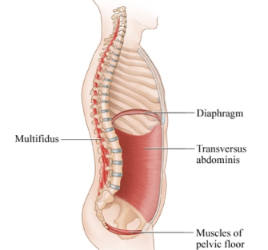
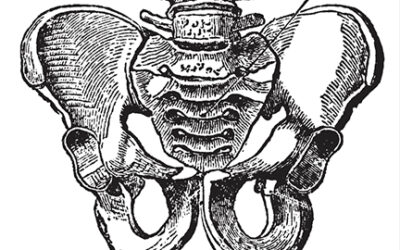
When we think of pelvic health physiotherapy, we don’t typically think gender affirmation care. There are many different ways to affirm one’s identity, it is by no means a one-size-fits-all process. But consider: one of the key areas that contributes to our gender expression and identity is the pelvis (and its contents). If we think about the changes that occur to the pelvis during gender affirmation care, it’s a no-brainer to consult with a pelvic health physiotherapist!
The proper function of the muscles and structures in the pelvic floor is essential for good quality of life, and dysfunction in this area can cause pain and discomfort. There are three main domains a pelvic health physiotherapist can help address: pelvic pain, bowel and bladder complaints, and pre/post-surgical care.
Pelvic pain is a common experience during gender affirmation care and may need intervention from a trained pelvic health physiotherapist. Common complaints include lower abdominal pain, pain in the soft tissues from tucking, pain with intercourse or pain at the vulva from hormonal changes that occur when taking testosterone. These issues can be address through techniques and treatments used in physiotherapy. Just because this is a common experience does not mean it is normal!
The bowel and the bladder are heavily affected by pelvic floor muscle function. If there is dysfunction in this set of muscles, this can lead to urinary urgency, incontinence, constipation, or feelings of incomplete emptying. Both the bladder and the bowel can also be sources of pain and discomfort, all of which can be address in pelvic floor physiotherapy.
For those that opt for bottom surgery, this can be a wonderful (but intimidating) step in their affirmation care. These surgeries have a large impact on the muscles of the area, and the process can be made a little smoother with prehab and rehab. Muscles in good condition recover faster from surgery, and will need rehabilitation for optimal function post-op. This ensures good bowel, bladder, and sexual function, as well as the success of the surgery. Working with a pelvic health physio during this process can be game changing.
Regardless of how a given person chooses to express their identity, they deserve to feel comfortable doing so, from the start to the end of that journey. A pelvic health physiotherapist who understands the intricacies of this process can help immensely. If any of these concerns resonate with you, contact us!
– Louise Fonteyne, Registered Physiotherapist